
Nachhaltigkeit erzählen: Durch Storytelling besser kommunizieren? Seit Anfang Februar 2021 ist die im Oekom-Verlag veröffentlichte Abschlusspublikation des SusTelling-Projektes im Handel verfügbar.

We explore ways to advance more sustainable ways of living through communication and learning. Our research helps to understand and change how we satisfy our needs through and beyond consumption, for greater individual, collective, and planetary wellbeing.
Nachhaltigkeit erzählen: Durch Storytelling besser kommunizieren? Seit Anfang Februar 2021 ist die im Oekom-Verlag veröffentlichte Abschlusspublikation des SusTelling-Projektes im Handel verfügbar.
Virtuelle FoodLabHome-Abschlusskonferenz am 24. und 25. Februar 2021 (Teilnahme kostenlos!) Die Abschlusskonferenz des Projektes FoodLabHome wird in Kooperation mit der Leuphana Konferenzwoche für … More
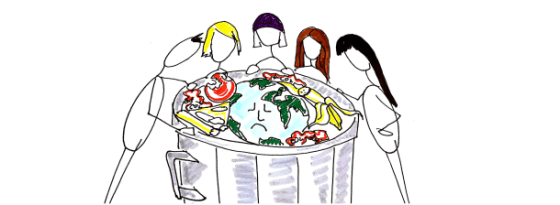
We design a cross-unit academic program in which students are trained in interdisciplinary behavior change research and experiment with evidence-based interventions to shift student food consumption behavior on campus.
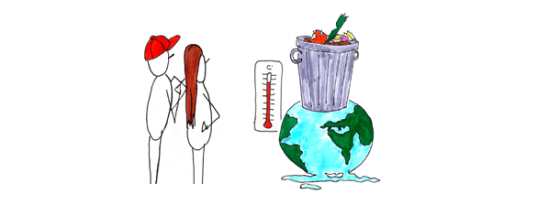
FoodLabHome is a citizen science project in which school students study their own households to measure food waste (FW) and implement interventions to reduce FW-related greenhouse gas emissions.
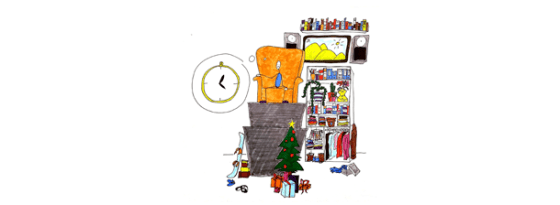
The ReZeitKon project explores how individuals perceive and make use of time, in particular saved or “free” time, and how these usages of time relate to and can be changed towards more sustainable consumption. SuCo2 leads the education intervention subproject.
The SusTelling project explores how youths and young adults learn about and for sustainability through stories and narrative communication approaches.

The SusTeach project implemented sustainability education at a teacher education seminar (“Referendariat”) in Wiesbaden, Germany. The research involved program theory development as well as implementation and impact evaluation.

The BiNKA project explored how mindfulness training can reduce the gap between intentions and behaviors and thereby promote sustainable consumption. SuCo2 led the education subproject in BiNKA.

The Blue Angel is the oldest environmental label in Germany. The project sought to develop new communication strategies to popularize the label among children and adolescents and promote their sustainable consumption.
 suco2.com